Thermo-Calc 2026a is the latest biannual update of the leading computational thermodynamics software from Thermo-Calc Software AB. This powerful platform performs equilibrium and non-equilibrium calculations for multi-component materials systems, enabling accurate prediction of phase diagrams, thermodynamic properties, diffusion kinetics, precipitation, and additive manufacturing processes. It supports a wide range of applications in materials science, metallurgy, alloy design, corrosion analysis, and process optimization across industries like aerospace, automotive, energy, and manufacturing. Version 2026a introduces a groundbreaking Aqueous Calculator for advanced corrosion studies, user-friendly common phase names, Electron Beam Melting (EBM) support in the Additive Manufacturing Module, efficiency gains in TC-PRISMA, and eight new/expanded databases for enhanced coverage of steels, titanium alloys, aqueous solutions, permanent magnets, and more.
The January 30 patch fixes a Windows uninstaller issue and updates Java to version 25.0.2 for better security and compatibility.
Key Features of Thermo-Calc 2026a
- New Aqueous Calculator: Dedicated GUI tool for easy setup of advanced aqueous corrosion calculations, including Pourbaix diagrams, pH-Eh stability, speciation, and solubility predictions; integrates seamlessly with the redesigned TCAQ4 Aqueous Solutions Database for precise modeling of ionic species and reactions.
- User-Friendly Common Phase Names: Option to display intuitive, readable phase names (e.g., “FCC_A1” as “Austenite”) in plots, tables, and results instead of CALPHAD notation; improves clarity and interpretation, especially for non-experts; includes customizable phase name files for specific databases.
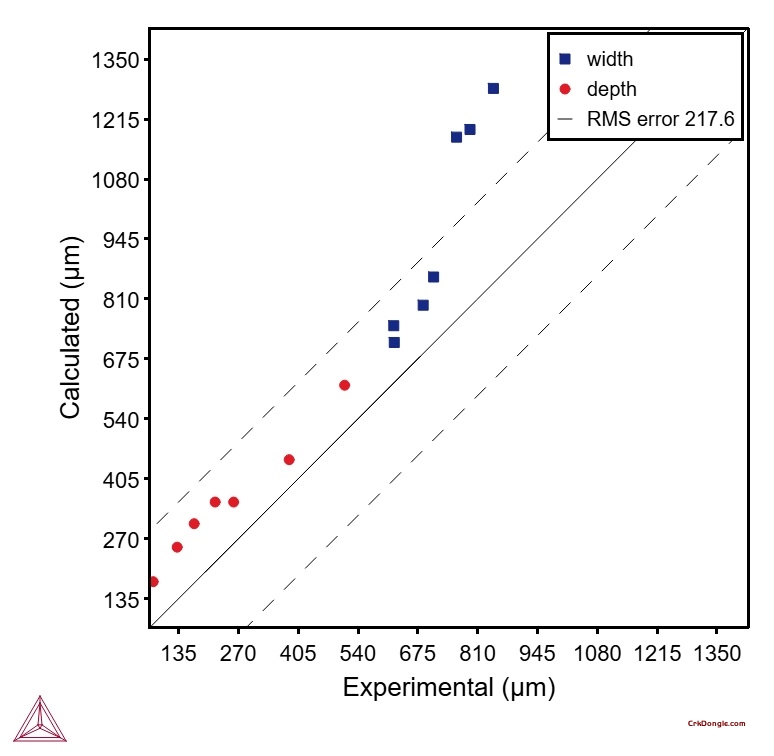
- Additive Manufacturing Module Enhancements: Adds Electron Beam Melting (EBM) process support alongside existing laser-based methods; improved temperature definitions standardization across property models; additional refinements for better simulation of powder bed fusion and directed energy deposition.
- Precipitation Module (TC-PRISMA) Improvements: Time-saving options and efficiency upgrades for faster precipitation kinetics calculations; better handling of multi-phase precipitation in complex alloys.
- Database Updates: Eight new databases and one major update, including fully redesigned TCAQ4 (Aqueous Solutions) with expanded species and data for corrosion; significant additions to TCNI (nickel-based alloys), TCHEA (high-entropy alloys), and others covering steels, titanium, permanent magnetic materials, and more; elastic properties added to select databases.
- General Software Improvements: Enhanced installation and usability; Phase Energy Additions now applicable to equilibrium calculations; Change Phase Status in Equilibrium Calculator for flexible modeling; overall performance and stability refinements.
- Core Calculation Capabilities: Equilibrium calculations, property diagrams (phase, Pourbaix, T-Composition, etc.), Scheil solidification, diffusion (DICTRA), precipitation kinetics (TC-PRISMA), and AM process modeling; supports 70+ elements and thousands of phases.
- Integration & Tools: TC-Python/API for scripting; SDKs for MATLAB, etc.; export to formats for further analysis; robust error handling and documentation.